Etiquette & Anatomy
Understanding the fundamentals of place settings enhances both hosting and dining experiences. Learn the anatomy of well-composed table arrangements.
The Anatomy of a Place Setting
A well-arranged place setting serves both functional and aesthetic purposes. Understanding the purpose and placement of each element helps create harmonious table compositions.
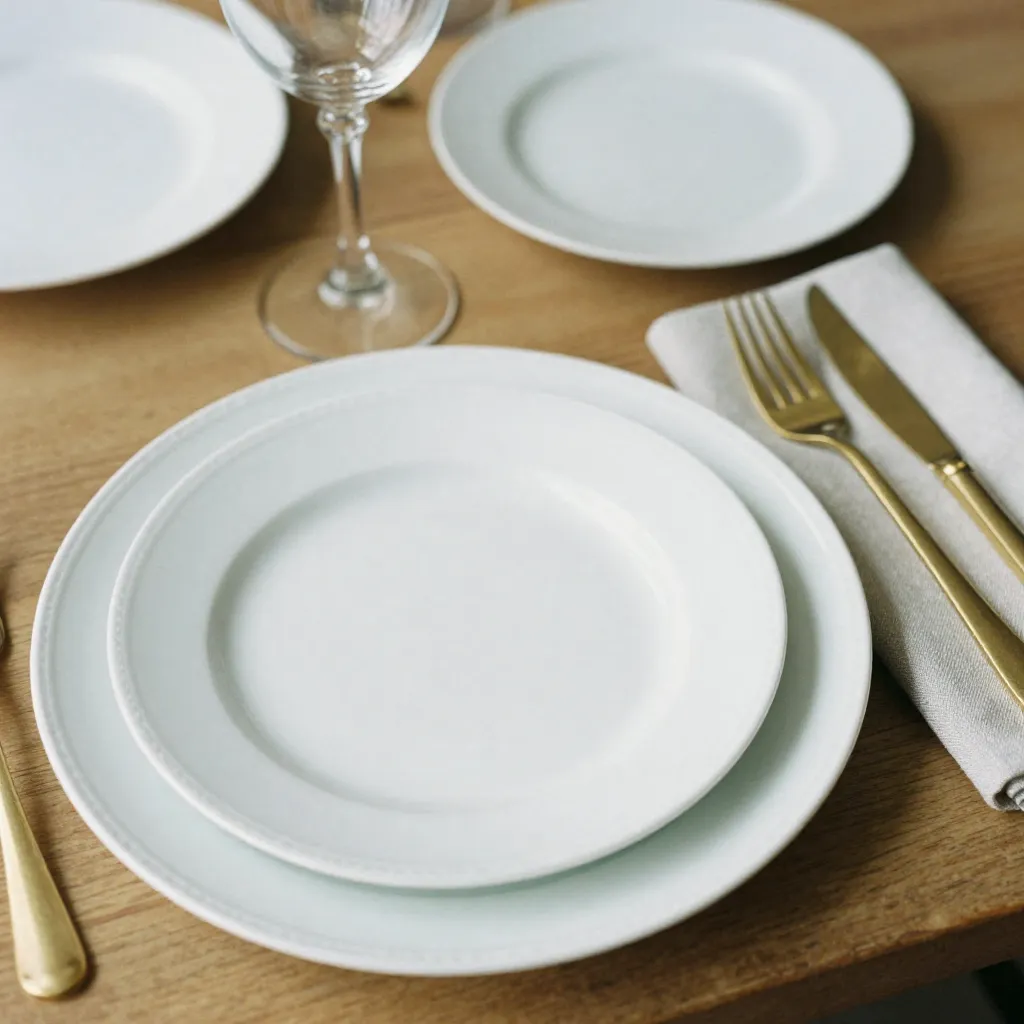
Basic Components
Every place setting includes essential elements: a dinner plate, appropriate flatware, glassware, and a napkin. The arrangement varies based on the formality of the occasion and the courses being served.
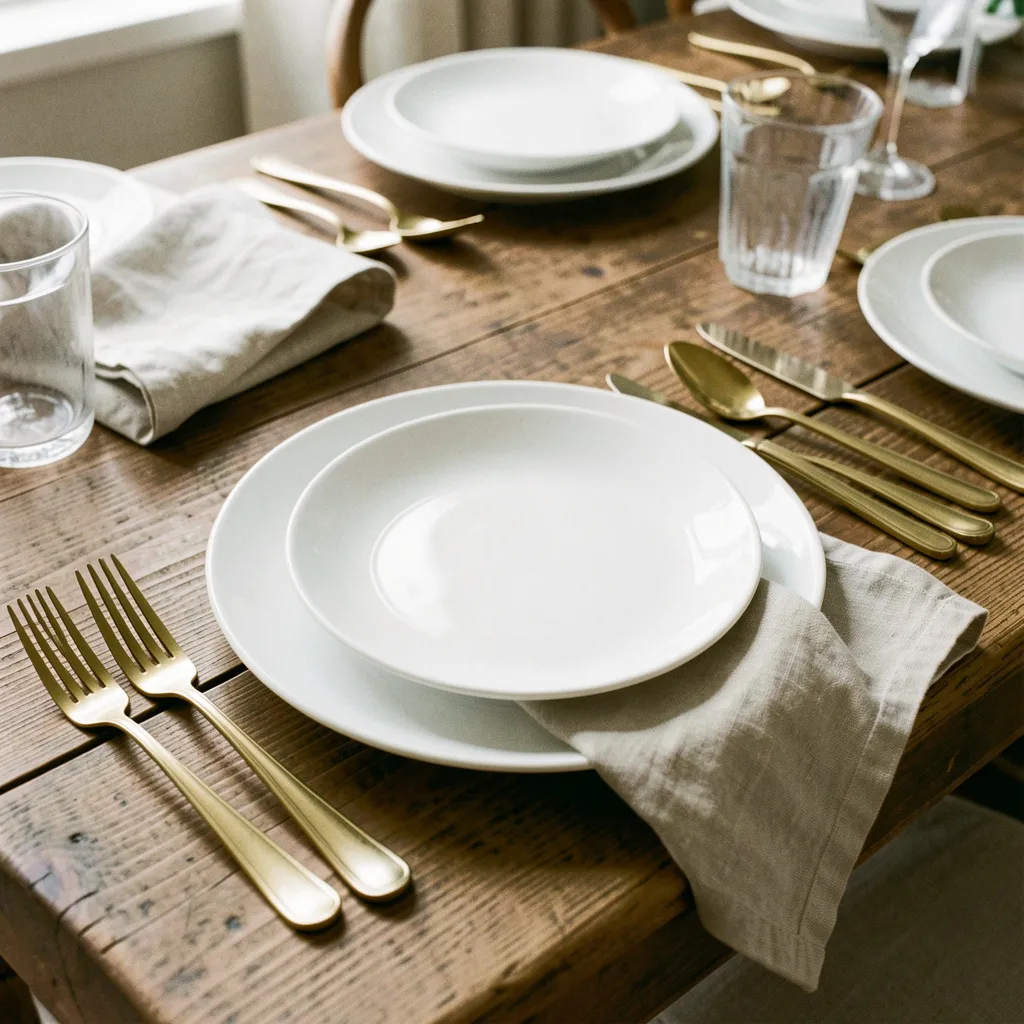
Spacing and Alignment
Proper spacing between place settings ensures comfort and visual balance. Typically, place settings are spaced approximately 24 to 30 inches apart, measured from the center of one setting to the center of the next.
Informal Place Setting
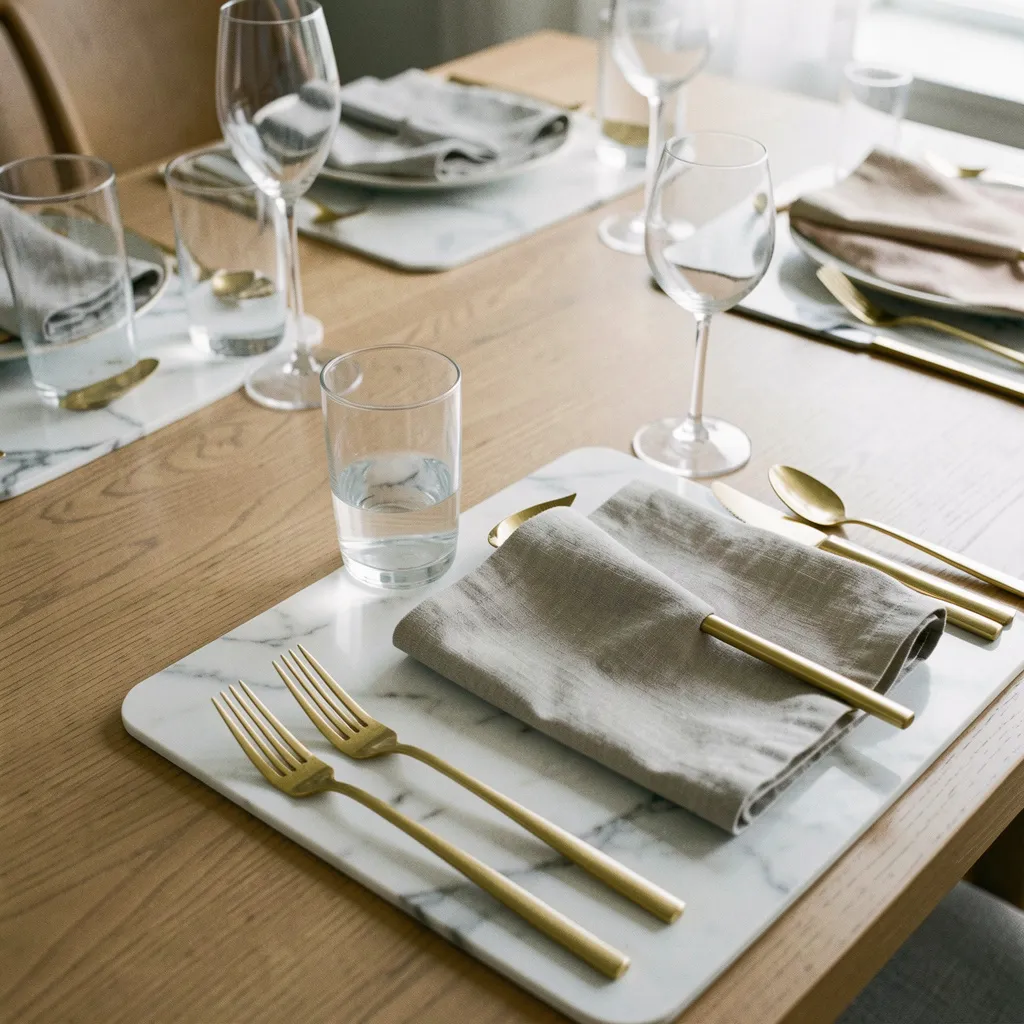
Everyday Arrangement
For casual meals, the setting includes a dinner plate, fork to the left, knife and spoon to the right, a water glass above the knife, and a napkin. This arrangement works well for most everyday dining situations.
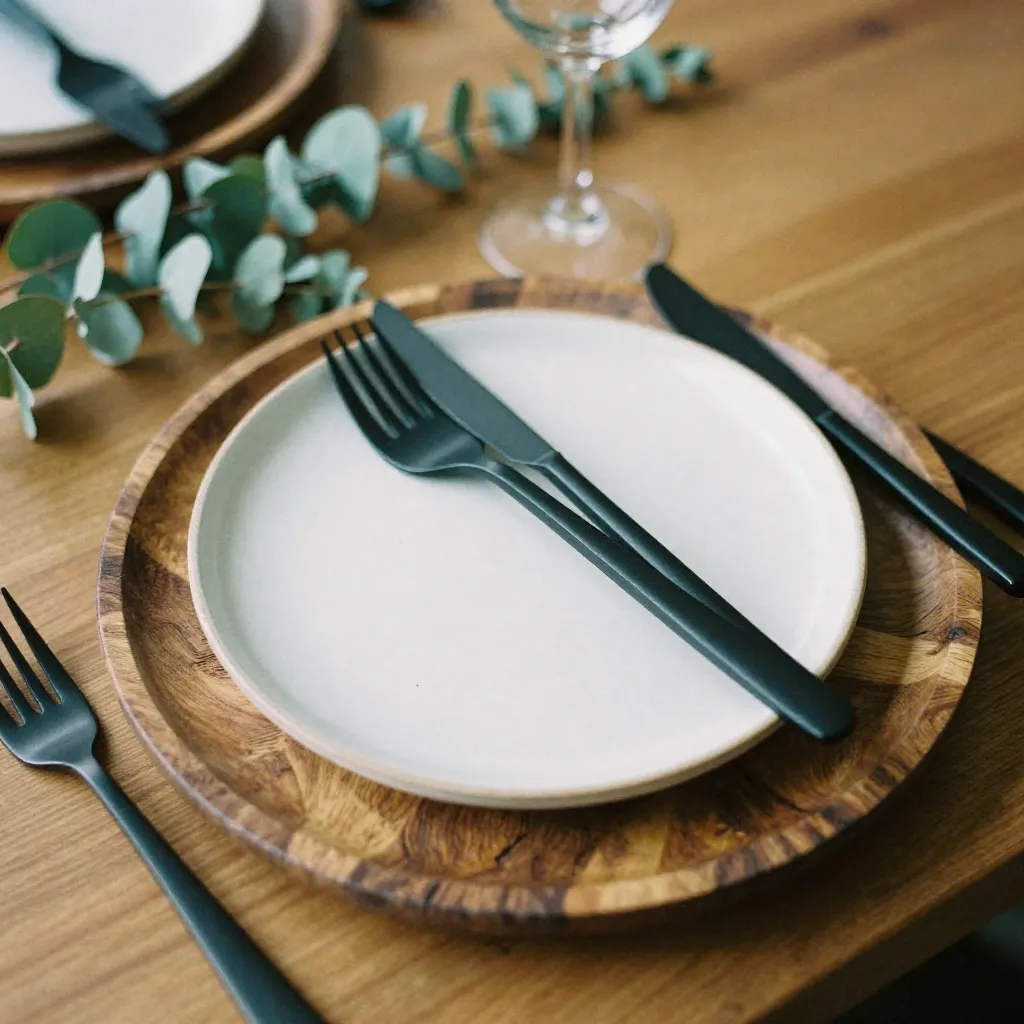
Flexibility
Informal settings allow for personal preference and adaptation. The basic structure remains, but you can adjust based on the menu and available tableware. The goal is comfort and functionality.
Formal Place Setting
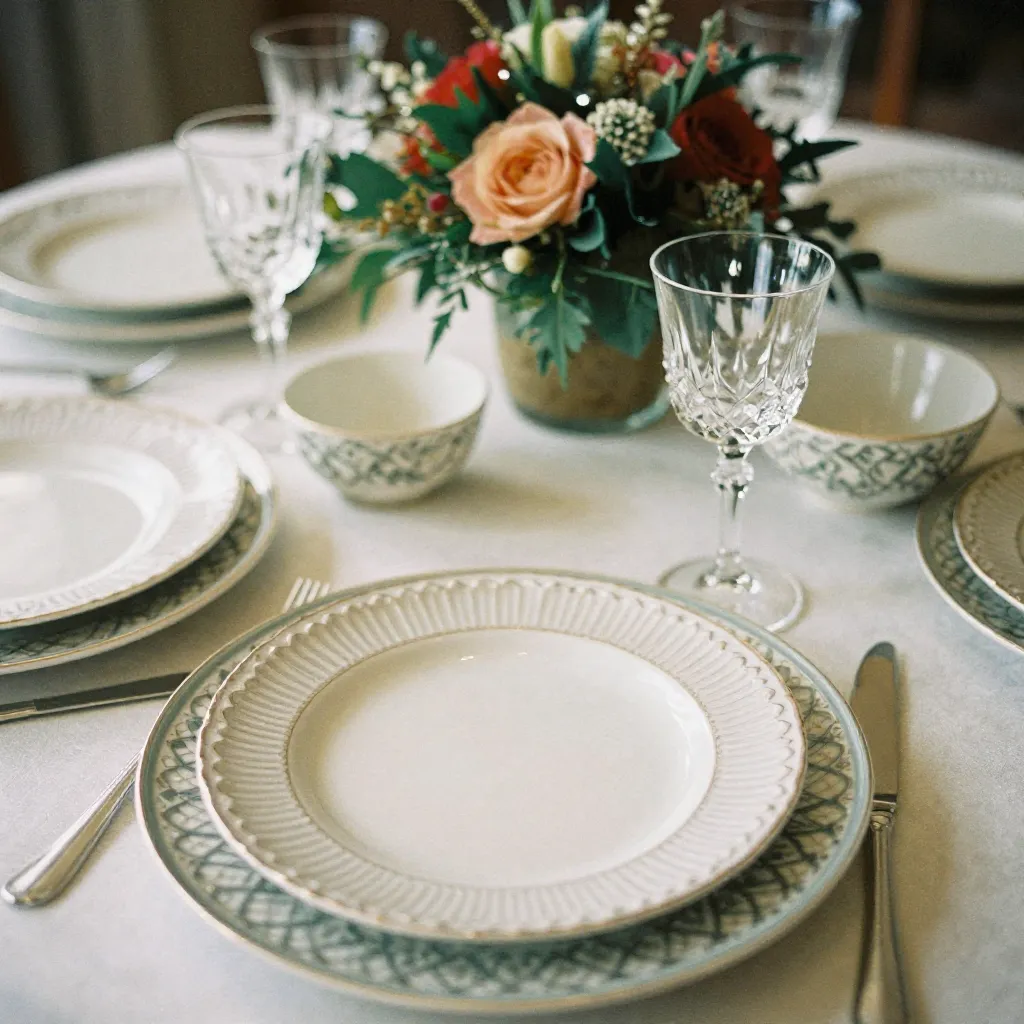
Multi-Course Arrangement
Formal settings accommodate multiple courses with additional flatware. Forks are placed to the left in order of use, working from the outside in. Knives and spoons follow the same principle on the right side.
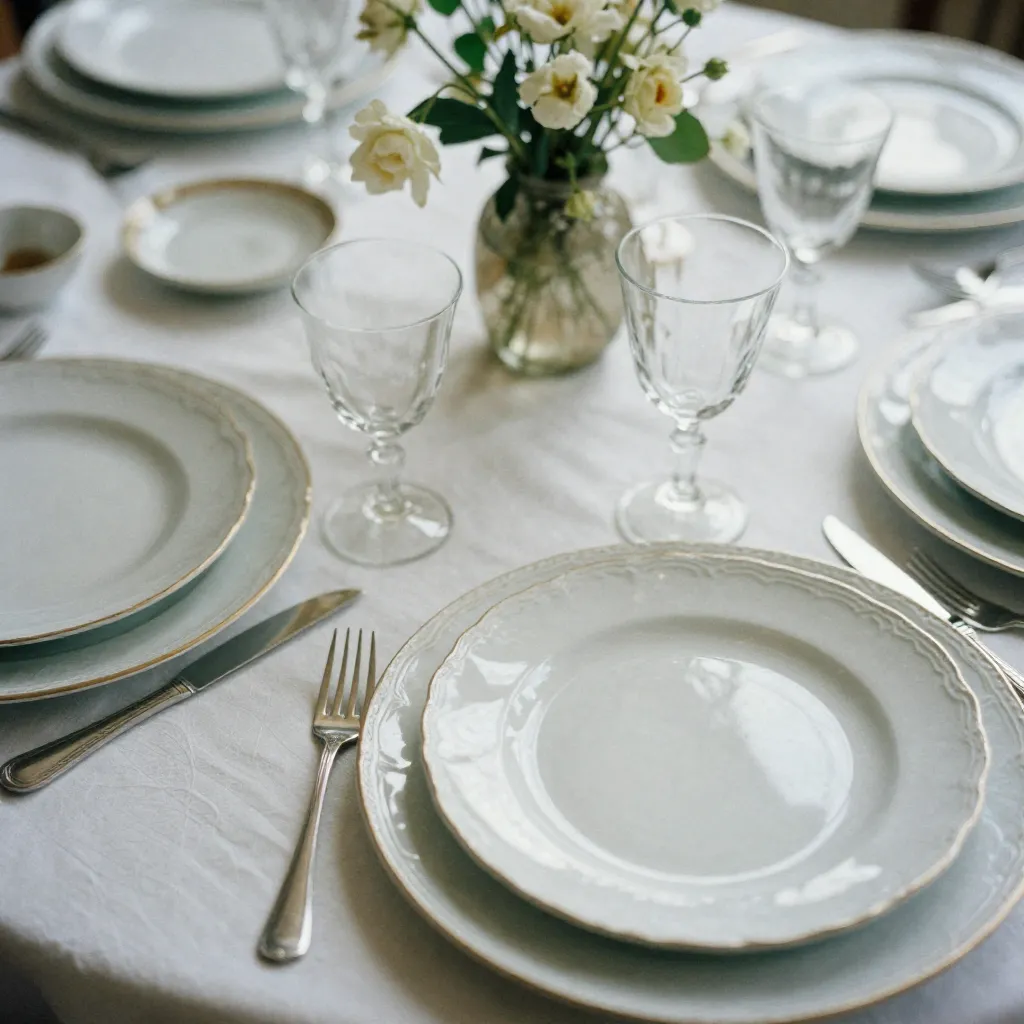
Glassware and Accessories
Formal settings may include multiple glasses arranged above the knives. A bread plate sits to the left, and a dessert spoon and fork may be placed horizontally above the dinner plate. The napkin is typically folded and placed on the dinner plate or to the left of the forks.
Visual Reference
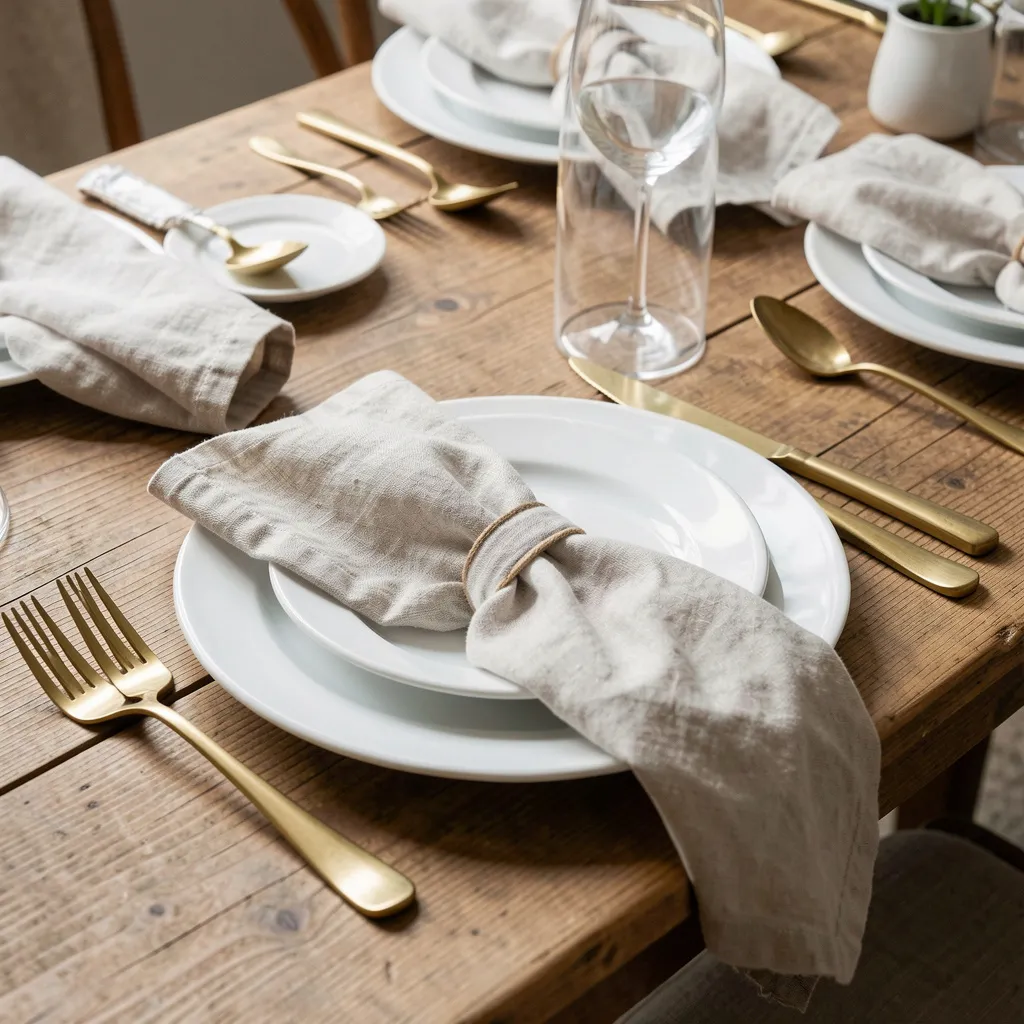
Key Principles
Remember that flatware is arranged in the order it will be used, working from the outside toward the plate. Glasses are positioned above the knives, and the overall arrangement should create visual balance and symmetry.
Further Learning
Understanding place setting fundamentals is just the beginning. Explore our collections to see how different styles interpret these principles, or schedule a consultation to discuss your specific needs.